
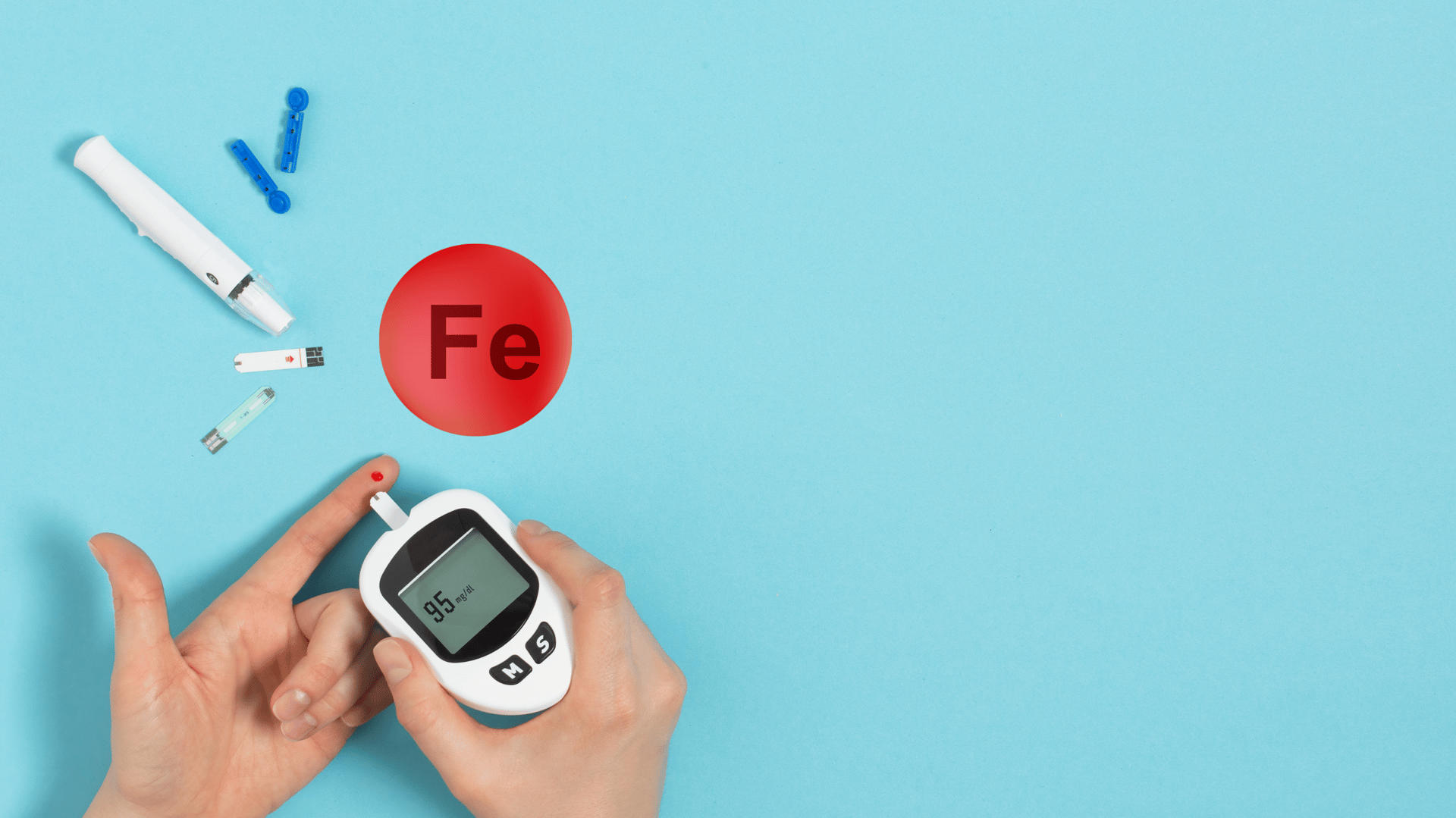
Iron is the nutrient that feeds your body and brain
Iron is an essential mineral crucial for various bodily functions, including oxygen transport, energy production, immune function, and cognitive health. It is a key component of hemoglobin, the protein in red blood cells that carries oxygen throughout the body.

Symptoms of Iron Deficiency
Hair loss
Headaches, extreme fatigue, weakness
Pale skin, brittle nails
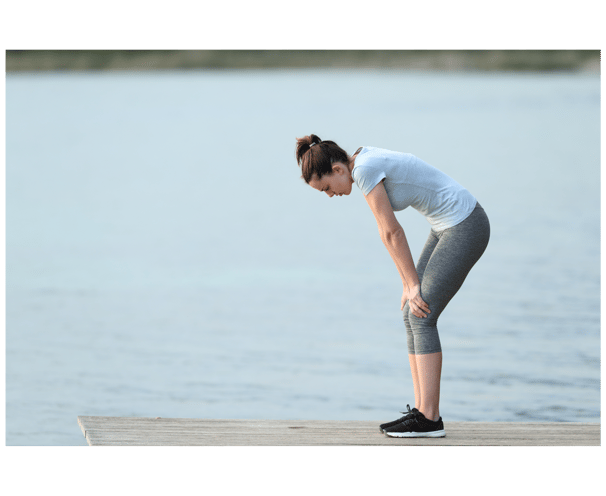
Chest pain, shortness of breath, dizziness, heart palpitations
Cold hands and feet
Cognitive difficulties
Poor appetite
Anemia and Iron Deficiency in India and the World: A Global Health Crisis
Anemia is a condition that affects 1.6 billion people worldwide—roughly a quarter of the global population. Among the different types of anemia, iron deficiency anemia (IDA) is the most common, accounting for about 50% of all cases. This condition occurs when the body lacks enough iron to produce hemoglobin, a protein responsible for carrying oxygen in the blood.


How Iron Deficiency Impacts Lives
Low iron levels can cause fatigue, difficulty concentrating, headaches, heart palpitations, learning challenges, and even depression. Iron deficiency affects not only women and girls but also the elderly, children, vegetarians, vegans, and individuals with chronic health conditions. This issue, predominantly impacting females, can reduce performance and contribute to productivity and income disparities between men and women from an early age.
Most iron supplements available today use chemical form of iron, which is poorly absorbed and can lead to side effects like stomach discomfort, along with potential organ damage due to its high oxidative properties.




Global Impact
Iron deficiency and anemia aren't just India's problems—they're global health issues.
Sub-Saharan Africa and South Asia face the highest anemia burden, but other regions like Latin America and Southeast Asia also grapple with significant prevalence rates.
Women and children are most affected globally, with anemia affecting 29% of non-pregnant women and 43% of children under five years globally. The condition impacts not only individual health but also socioeconomic development by reducing workforce productivity and limiting educational outcomes for children.
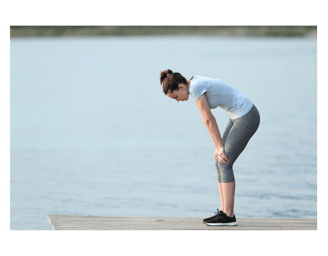
The Situation in India
India bears the brunt of this global health challenge. The country has one of the highest prevalence rates of anemia, particularly among vulnerable groups such as women and children.
In India, over 50% of women of reproductive age and 60% of children are anemic. Among pregnant women, the prevalence of anemia rises to almost 58%, significantly impacting both maternal and child health.
While anemia affects all regions, rural populations and economically disadvantaged groups are disproportionately affected due to poor nutrition, limited healthcare access, and unawareness of nutritional needs.
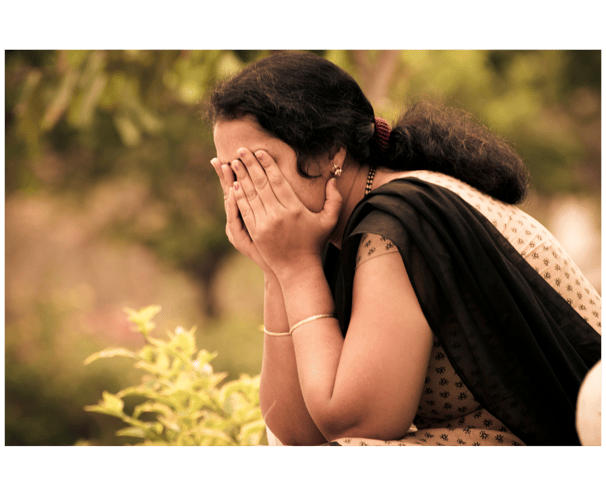
Anemia, particularly iron deficiency anemia, remains a global health challenge that impacts physical health, cognitive development, and economic growth. While India faces an acute crisis, global cooperation and innovation in nutrition, healthcare, and public awareness are key to breaking the cycle of anemia and building healthier, more productive communities.
The Solution


© 2024. All rights reserved.